logo

Drop us a Line

info@themusictherapycenter.com

music therapy Tag

Neurologic Music Therapy group was led by Becca this past week in symposium.  She presented a TDM (Transformational Design Model) on one of her clients who is working on a speech and language goal of improved articulation.  She is using an OMREX intervention with kazoo as an initial step to address this goal area.

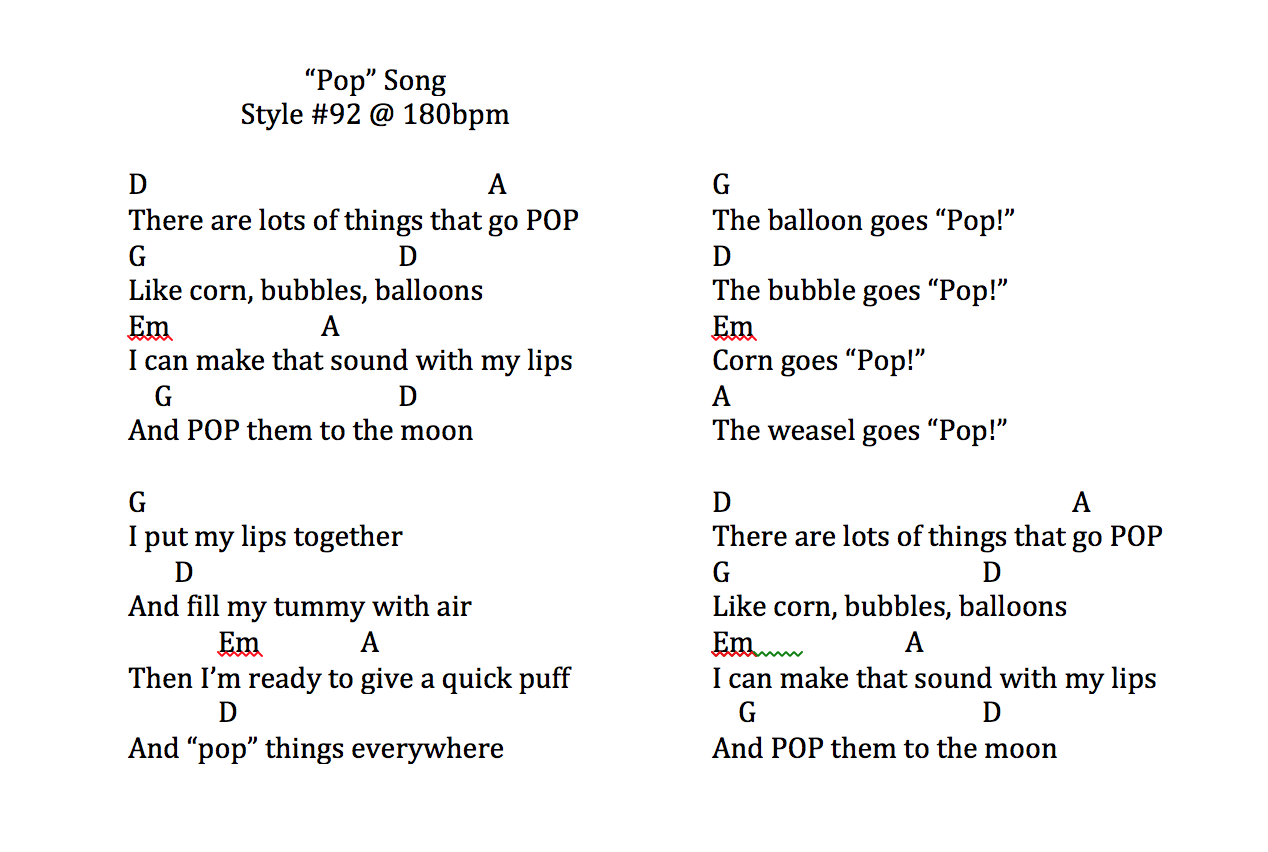
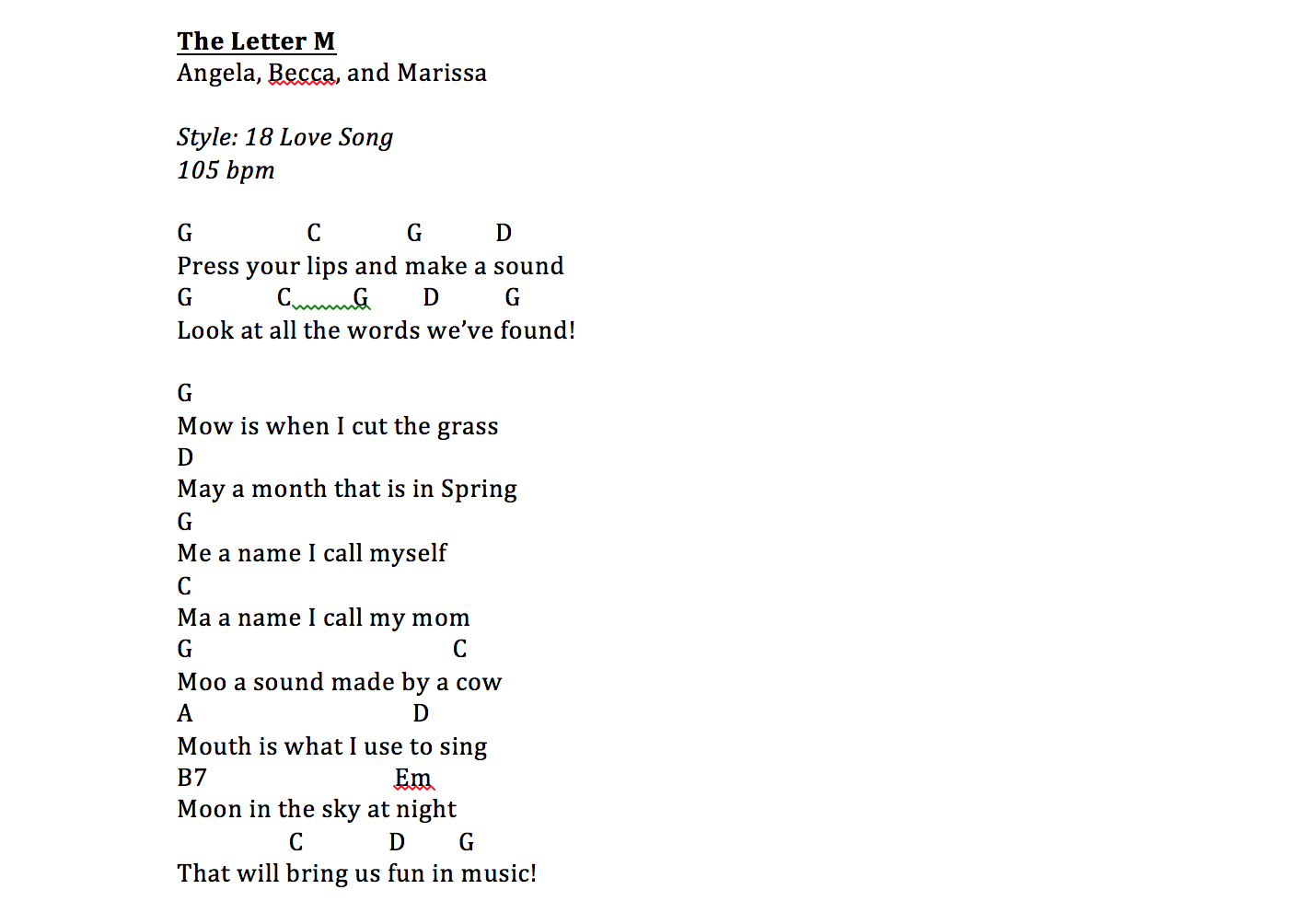
After Becca presented, the team got creative thinking of ways to expand this intervention to include language.  We discussed the importance of always tying breath support exercises with functional speech and language.  In order to put this into practice, we split into two groups and created interventions that focused on 2 bilabial consonants: p and m.  In less than 30 minutes, we created songs with visuals that focus on each of these letters.  The videos of our final products are included below, along with the chords/lyrics and visuals!

Screen Shot 2016-05-01 at 11.45.54 PM

Screen Shot 2016-05-01 at 11.48.00 PM

-Marissa


Neurologic Music Therapy group was led by Becca this past week in symposium.  She presented a TDM (Transformational Design Model) on one of her clients who is working on a speech and language goal of improved articulation.  She is using an OMREX intervention with kazoo as an initial step to address this goal area.

After Becca presented, the team got creative thinking of ways to expand this intervention to include language.  We discussed the importance of always tying breath support exercises with functional speech and language.  In order to put this into practice, we split into two groups and created interventions that focused on 2 bilabial consonants: p and m.  In less than 30 minutes, we created songs with visuals that focus on each of these letters.  The videos of our final products are included below, along with the chords/lyrics and visuals!

Screen Shot 2016-05-01 at 11.45.54 PM

Screen Shot 2016-05-01 at 11.48.00 PM

-Marissa


Before starting my internship, most of the songwriting I had done with clients was in mental health populations – mostly adolescent and adult drug and alcohol rehab and clients with eating disorders.  It got very heavy at times, but was often extremely therapeutic and cathartic for many clients.  I believe this shaped my view of songwriting as something narrow and used primarily for deep, personal issues within therapy.  That being said, over the past 3 months I’ve come to view songwriting as an amazing expressive outlet for many young children with developmental disabilities.  Even simple song re-writing exercises (like “All you need is love” for Valentines Day) provide an opportunity for the client to make choices (MEFT – Musical Executive Functioning Training), exercising their executive functioning skills.

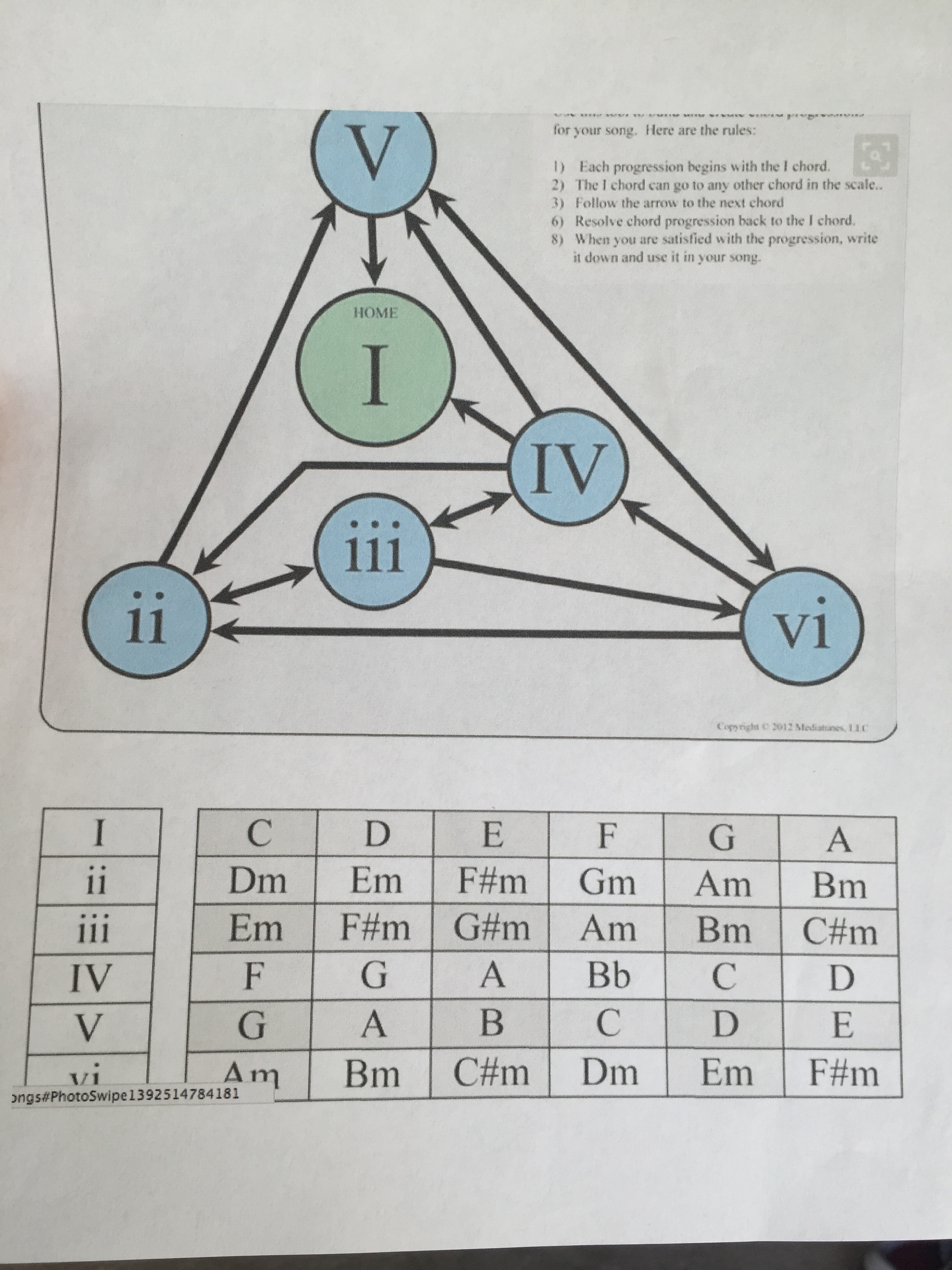
What I’ve come to observe, is that many clients with disabilities have the majority of things done for them by parents and caretakers.  When they are given a choice between two activities/songs/etc. they will choose, but when left with an open ended question like “What should we write a song about?” they often have a blank expression on their face and no idea where to start without being given suggestions of different ideas.  But once you help them get the ball rolling, they are full of ideas, imagination, and creativity and the end product is amazing!  For some clients, re-writing the words to a favorite song of theirs is the best bet because they have a clear idea of where the song is going and already enjoy how it sounds.  Other clients have the ability to help write (or independently write!) a chord progression/melody, and this is where you can challenge them to exercise their creativity.  Below is a helpful chart of chords to use in a variety of keys that can quickly spice up any songwriting session!

Somewriting tips


When writing songs with your clients, remember that every answer is valid!  As long as what the client suggests is appropriate and relevant, there is no better answer as to what to put in the lyrics than what they give you.  After all, it’s their creation and masterpiece and should have their unique personality written all over it.  If you can, think ahead about the wording of prompting questions you might ask your client in order to generate ideas.  It’s also helpful to think about the goal of the exercise – for example, is your client’s primarily reason for songwriting to express themselves or to practice decision making or leadership skills?  Determine what questions you will ask and how you will go about the process with their particular goal in mind.  If they are practicing leadership skills, let them lead you through the process and if they are struggling, challenge them to find a way to figure it out instead of offering a solution to them.  If their goal is self-expression, validate every answer they give you and do your best to reflect the sentiment of their words in the music you create.  It’s also always a fun idea to record your completed songs and give your client choices of what instruments to incorporate and how they’d like the finished product to sound.

I trust that the joy in your clients face when you play back the final version and they hear themselves singing and making music will be enough to fuel many more rewarding songwriting experiences in your sessions!

-Marissa

We all know those kiddos – even when they are (miraculously) sitting in their seat for more than 2 minutes at a time, they’re still squirming, sliding down in their chair or moving their body side to side.  They are constantly seeking to interact with their environment.  Or maybe you can relate to leading groups every week and feeling the urge to bring in something new and different for the clients to experience other than instruments.  Lucky for us, the world of Neurologic Music Therapy has an answer in 4 simple letters: MSOT.  Musical Sensory Orientation Training.

Thaut, in Rhythm, Music and the Brain, describes MSOT as follows:

“Musical Sensory Orientation Training (MSOT) is the use of music, presented live or recorded, to stimulate arousal and recovery of wake states and facilitate meaningful responsiveness and orientation to time, place, and person. In more advanced recovery of developmental stages, training would involve active engagement in simple musical exercises to increase vigilance and train basic attention maintenance with emphasis on quantity rather than quality of response (Ogata 1995).”

Let’s all say it together now: MSOT is my friend!  It is so important to ensure that our clients are learning to self-regulate and getting the sensory input that their bodies crave.  Sensory integration is a neurobiological process that refers to the integration and interpretation of sensory stimulation from the environment by the brain.  Individuals with developmental disabilities often have either over- or under- reactive sensory systems, which can mean sensory input from the environment is not being organized properly in the brain.  This makes the sensory experiences we as music therapists provide for them particularly important.  Below are several MSOT strategies I’ve recently been exploring with clients – the possibilities are endless!

  1. Cabasa – I never understood the power of the cabasa until internship.  It is an easy way to take a sensory “break” while keeping the music and instruments going throughout the activity.  For my non-verbal clients I use a simple “I want ____” visual and have them choose a body part (i.e. hands, arms, legs, back) for where they want the cabasa.  You can make up a simple song or chant about where you’re playing the cabasa and use a background loop to free up your hands to provide that input for the client.  You can also use this same format but instead give deep pressure squeezes and simply substitute the lyrics to “I like squeezes on my arms”.
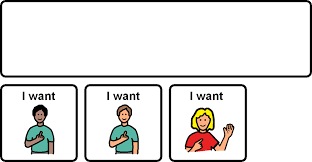
I want visual

2. Therapy Ball – I love using the therapy ball because it’s a great way to incorporate sensory integration into whatever intervention you’re working on (like Bi-lateral drumming).  This targets the the Proprioceptive System – helping our clients understand where their body is in space.

3. Get Creative – Have fun with exploring MSOT strategies!  For adult groups, my co-intern and I have been enjoying bringing in essential oils (stimulating olfactory system), fun themed props for Spring Holidays (tactile), instruments like chimes, cabasa, and drums, bubbles, scarves, and scented squeeze balls.  I hope you’ll find that this brings a fun, novel element to your groups.

Music making (with an instrument) naturally stimulates 3 out of our 5 senses (auditory, tactile, and visual).  If you can add some type of olfactory element, we have 4 out of the 5 covered – a great goal to aim for while session planning.  It’s great to have a variety of MSOT strategies in your tool-belt in order to adapt to what your client needs in the moment – get creative and have fun with it!

-Marissa
banding together secret show

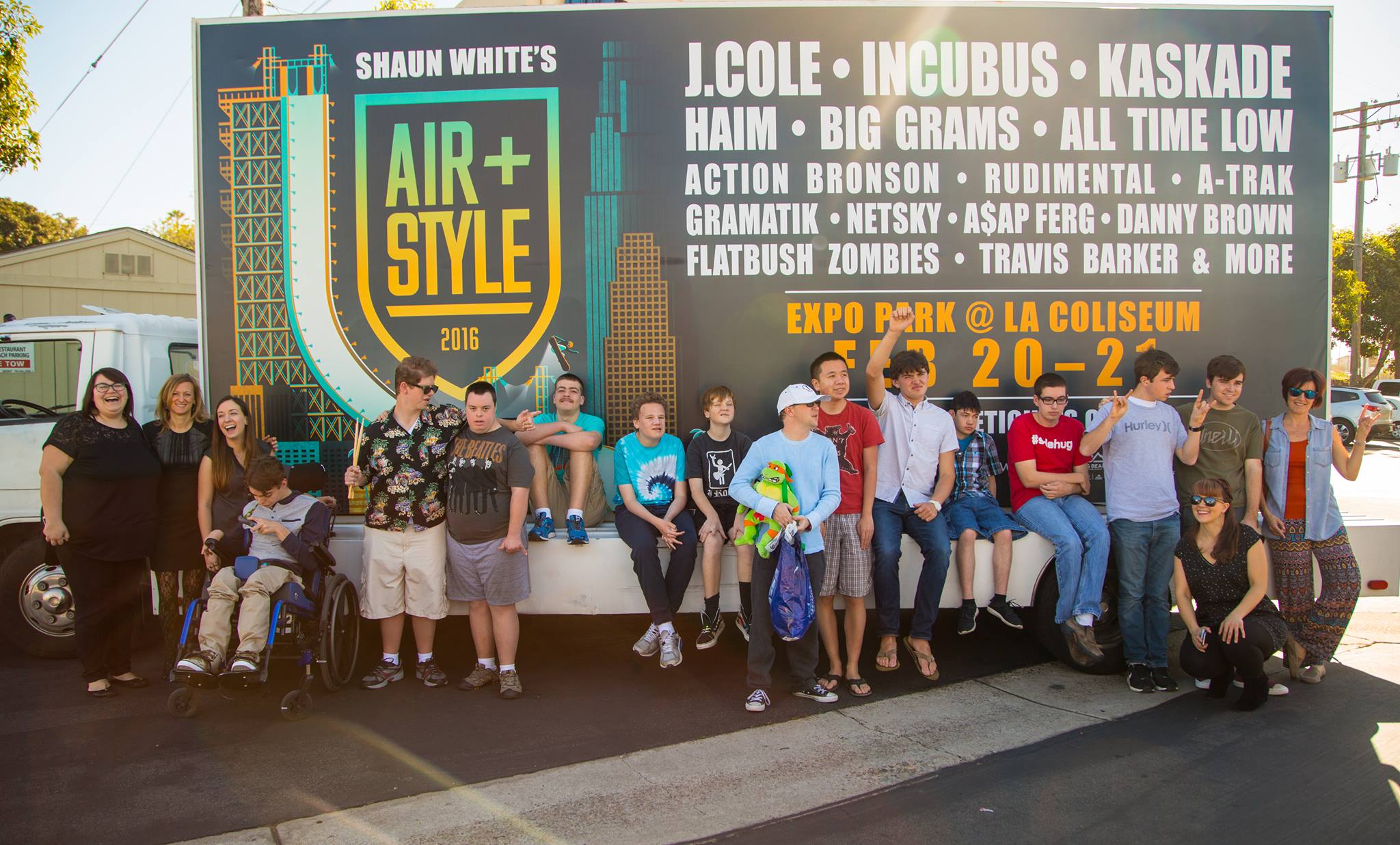
Banding Together’s Jam Sessions provide youth with special needs with an opportunity to come together for a one-hour jam session where we play drums, sing songs, dance and have a great time with friends. After EVERY Jam Session, I leave feeling completely inspired, full of enthusiasm for life and a heart full of love and appreciation. I always feel incredibly grateful to be involved with this organization but I also feel the desire to share it with others. I want everyone to know how amazing these youth are and how music therapy allows them to shine at their brightest.

On February 12th, 2016 that desire to share with others became a reality. Banding Together was recognized by professional skateboarder/snowboarder, two-time Olympic gold medalist Shaun White and his band Bad Things! We were invited to a secret show by Bad Things, sponsored by San Diego’s local radio station 91X. We all arrived and got to hang out with the members of Bad Things, rock out with them, take pictures with Shaun White and just plain ol’ have a good time. The best part of it all was getting to see the Jam Session participants in an inclusive environment, thrilled by this unique and exclusive opportunity just for them

When I started internship, I had no idea that I would get to hang out with the coolest people ever and get to go to events with celebrities sponsored by radio stations! Every week I get to jam and hang out with the best of the best! This is definitely one of my top internship highlights.

-Kristin

Our team recently met to brainstorm essential teaching components, strategies, adaptations, accommodations, methods, and resources for teaching adapted lessons. I want to share with you what I learned in the article “Ten Characteristics for Teaching Students with Special Needs” by Beth A. Bauer.

  1. Consistency is crucial. This consistency applies to the rewards we provide, routine, schedule, home practice routines, time of day and location of the lesson,.
  2. Adaptability, find something that makes sense in their world. Examples include; using stress balls to teach hand positioning for piano, or creating fun mnemonic devices to learn the notes of lines and spaces in the music staff.
  3. Flexibility is a MUST. This flexibility pertains to lessons plans, studio setup and pacing of the lesson. Some days a student may come into the lesson after having a rough day at school and have a melt down. As the therapist “you need to find a way to work on something that will redirect the student away from whatever is bothering them and still be applicable to the lesson.”
  4. Setting Expectations “for students with special needs should be no different from the expectations and goals for students who do not have disabilities. By setting consistent, high expectations for everyone, the students know that we believe in them and that we know that they can be successful.”
  5. Patience, is your  best friend. Patience with repetition, multiple methods, reinforcement and redirection, and patience with getting to know your students.
  6. Compassion. Tell the parents of your students what their children CAN do instead of what they CANNOT do. Treat the child as a person first, without regard for a disability label. Focus on the positive aspects of the lesson, even when there is a meltdown, there is at least one positive aspect to find and share with the parent.
  7. Have a Sense of Humor.
  8. Learn from your mistakes. “We should always try our hardest but know that you will make mistakes. Mistakes are acceptable and the important lesson is that you learn from those mistakes.”
  9. Lose the Ego. Perfection is not everything, and it is not about the therapist. We will learn far more from our students than they will ever learn form us.
  10. Have FUN!!


-Kristin

[youtube https://www.youtube.com/watch?v=ZsABTmT1_M0&w=560&h=315]

Alright, alright… Parks and Recreation aside, never underestimate the power of self care!  Which was (conveniently enough) the topic of our symposium last week.  Although our discussion of self-care didn’t exactly include cupcakes and new clothes, we did discuss some very practical and helpful tips on taking care of your body for the long-run.

Whether it be exercising 3 times a week, taking a full day to relax and do no work, or catching a sunset at the beach, everybody has their own routine for decompressing and maintaining some balance (and sanity!) in their lives.  As music therapists, it is so important for us to take care of our bodies in order to be at our best with our clients every day, as well as preserve our health and well-being so we will still be as able at 50 (and up) as we were at 25.

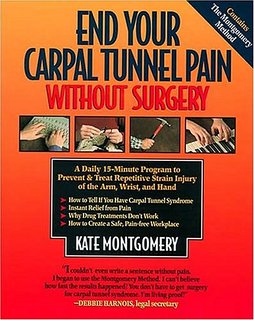
In Kate Montgomery’s book, “End your Carpal Tunnel Pain without Surgery” she has coined a 12 step method of stretches and self-care exercises to maintain healthy joints and muscles.

self care book

Here are a few tips from her method to maintain health and function in important areas like the wrists, back, and fingers!

  1. Posture – It’s all about those 90 degree angles when it comes to posture. Bad habits in posture can cause recurrent minor injuries to the neck joints, so it’s so important to be aware of how you carry yourself throughout the day, whether it’s working at a desk or bending down to be on a client’s level, be mindful of keeping 90 degree angles in your back, neck, and legs.
  1. Wrists – There are 3 exercises for the muscles, tendons and joints in the wrist. Wrist presses, wrist pulls, and wrist squeezes.  Practicing these daily will help keep your wrists in alignment and free of pain.
  1. Fingers – What an important part of the body for music therapists! Finger exercises are done one at a time, practicing dexterity and isolation of each finger.  Finger pulls, circles, bends (at each of the three joints) are a few ways to help open and restore energy within the finger joints as well as maintain strength in each individual finger (which can be really helpful for guitar).

You can practice these exercises on your lunch break, at a stop light, or any time between clients in the office.  Make them a part of your self-care practices after exercising or while relaxing in order to maintain dexterity and full function of these important parts of our bodies!


-Marissa


Michelle-Hardy-Music-Therapist

Michelle Hardy, MM, MT-BC

Michelle Hardy is a Board-Certified Music Therapist with a master’s degree in Music Therapy from Colorado State University, having received her bachelor’s degree in music therapy from Loyola University in New Orleans in 1995. Michelle has worked with children and adults with various neurological impairments and developmental delays, but her focus is with individuals with autism and sensory processing difficulties. 

MTCCA staff and interns were given the opportunity to speak with Michelle Hardy, MM, MT-BC in our weekly symposium. My personal learnings taken from this meeting include the follwing;

What are the main diagnostic criteria of autism?

  1. Social deficits
  2. Deficits in communication

Did you know that motor movement is also a prominent diagnostic characteristic of autism? Michelle Hardy brought to our attention that motor movement is not included in the leading diagnostic criteria of autism in the DSM-IV not the DSM-V. However, motor movement deficit is a prominent characteristic in individuals with autism. This makes perfect sense because if you take a look at the parts of the brain that are affected by autism you will see that included are the cerebellum and the frontal lobe. These are the areas of the brain that help us with movement planning, grading, and executing. Before any deficits in attention, behavior, higher learning, or social skills can be improved in a child, their brain’s ability to integrate sensory information and program proper motor signals must be re-calibrated through brain activation modalities.

As a music therapist, treatment may include:

  • Rhythm Training
  • Use of a metronome
  • Proprioceptive stimulation

By using rhythm in a purposeful way, we can access the frontal lobe and mend long distance connections within the brain. Rhythm also creates a sense of predictability and strengthens pathways in the brain.

A specific intervention to include all of the above treatment ideas, would be Bilateral Drumming. Here is an example of bilateral drumming with Michelle Hardy.

*Notice the use of rhythm, a metronome and the proprioceptive feedback given from hitting the drums and walking.

-Kristin

We have all seen that wiggly, fidgety child who climbs, touches, bumps into, and jumps onto just about almost anything and everything. The common conclusion that we often come to is that the child is misbehaving and has a surplus of energy. But the truth is that these children may have poor propriocetive sense which adversely effects their awareness of where there bodies are in space and effects their awareness of how fast or slow their bodies are moving. Our sensory processing abilities are supposed to tell us where our bodies are, allowing us to sit up straight and still and to tell us how fast or slow we are moving our bodies so that we can manipulate objects and move around in space without bumping into things. However, children with Sensory Processing Disorder are not being given the sensory information and/or are not able to integrate, modulate, organize and discriminate sensory messages efficiently causing them bounce, wiggle, rock, slide to the floor, and fidget.

There are ways to help these children establish awareness of their bodies which may allow them to listen better, retain information and focus. If you are working with a child who isn’t comfortable in their chair, are sliding off of it or is rocking it on two legs, try giving them an exercise ball to sit on and allow them to bounce while you teach your lesson or facilitate your intervention.  It may seem like they still are unable to pay attention due to their bouncing bodies but check in with them and you may see that they really are paying attention and are able to retain content. This is made possible because the sensory input received from the bouncing tells their bodies where they are, which then clears up the neuro pathways for them to focus on something else other than trying to figure out where their bodies are in space.

A music therapists approach for children in need of sensory input may include creating interventions that involve ample amounts of movement such as rocking, spinning, jumping or pushing.

The Hard Facts:

Proprioceptive dysfunction is the inefficient processing of sensations perceived through the muscles and skin, as well as the joints.”

The functions of our proprioceptive sense include:

  • Body awareness
  • Motor control
  • Motor planning
  • Regulation of arousal level (aroused or calm)
  • Discrimination of movement in time and space (tells us where our bodies are)

I leave you with this video which provides insight from the perspective of children with SPD and poor proprioception. I share this with hopes that others will think again when they see a wiggly little one.

https://youtu.be/uhsQhGcI0-8?list=PL3opm2WogRKUyk9vStTggyiZQgS26Z0NL

-Kristin

Tuesday’s in the life of an MTCCA Intern are busy, busy days. But Tuesday’s are also one of the best days of the week because the junior and senior interns co-treat together. We have the opportunity to co-treat in individual and group sessions. Let me tell you, it is incredibly helpful in group sessions to have 2 sets of hands and 2 strong voices to help lead interventions. In a perfect world, music therapists would always be able to co-treat large group sessions, but in a the real world we aren’t always so lucky.

In my three months of internship thus far, I have learned that things are not always going to go as expected. Have it be an intervention that you thought was going to be great, but really wasn’t or that you thought you were going to always co-treat in large groups, but you occasionally  have to fly solo. With facing both of the above situations, I have learned to always be prepared with a plan A, B and C, don’t be afraid to work out of your norm and utilize your resources. And with this, I have a few learning’s to share.

Tips for Treating Large Groups Solo

  1. Breathe, you can do this.
  2. Keep the music going and if it stops, talk –  Sing a cappella if you need your hands for something else besides playing guitar (ie. modeling a movement, passing out and collecting instruments) If the music can’t keep going, use the silence as a teaching opportunity, drop a few informational blurbs on the benefits of what you are doing.
  3. Recruit the staff! – When co-treating, one intern is facilitating the music while the other is assisting the clients in movement and interacting 1:1. Since you’re on your own, ask the staff to assist with playing instruments or assist in a movement, they are there to help.
  4. Bring a speaker– If you have the opportunity to use a speaker, do it! Recruiting the staff is incredibly helpful but sometimes you might need more. In this case, have your music cued up and let the music happen while you free  up your hands to interact with the clients.

Happy Singing

-Kristin