

Self-Care
We live in a very busy, fast paced society. It is very easy to become preoccupied with our daily responsibilities, and the stresses that accompany those responsibilities. This is why it is important to take a step back, and take a look at what you are doing for your self-care in order to maintain balance. Developing a self-care plan is a great way to increase your focus on wellness. The Self-Care Community for Music Therapists Facebook page is a great resource for developing your self-care plan.
Among many valuable tools this wonderful page offers, the self-care plan is a great way to start by making a list of what you can do to maintain balance. You begin making your self-care plan by reviewing the different categories such as: workplace or professional self-care, physical self-care, psychological self-care, emotional self-care, spiritual self-care, and relationship self-care. There are various bullet points within each category that suggest what you can do. For example, a couple suggestions under the workplace or professional self-care category are: “Engage in regular supervision or consulting with a more experienced colleague”, and “Set up a peer-support group.” Other suggestions under the psychological self-care category are, “Engage with a non-work hobby”, and “Make time to engage with positive friends and family.”
It is suggested that you pick one or two suggestions from each of these categories to assemble your self-care plan. There is a power with creating lists, as you are more likely to take action when putting your ideas into writing. Once you have created your list, it is recommended that you put your self-care plan in a place where you can see it on a regular basis. Being able to see your plan daily will also be helpful with being able to commit to your strategy.
When a month has passed, you can then assess how you are doing with developing these new habits. Creating a self-care plan provides a great start on being able to take action towards promoting your personal wellness. By having a self-care plan, one is likely to be more effective in the workplace, and less likely to experience burn-out. I highly recommend checking out The Self-Care Community for Music Therapists Facebook page to start developing your self-care plan at: https://www.facebook.com/groups/629527543823408/ Be well everyone!
-Brandon



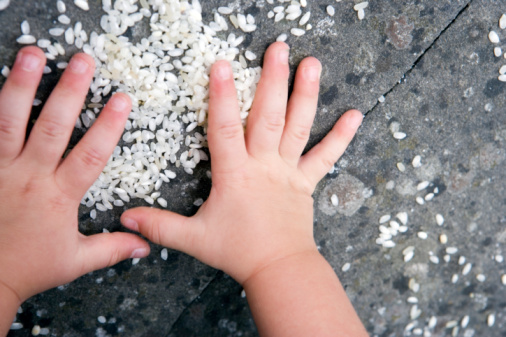
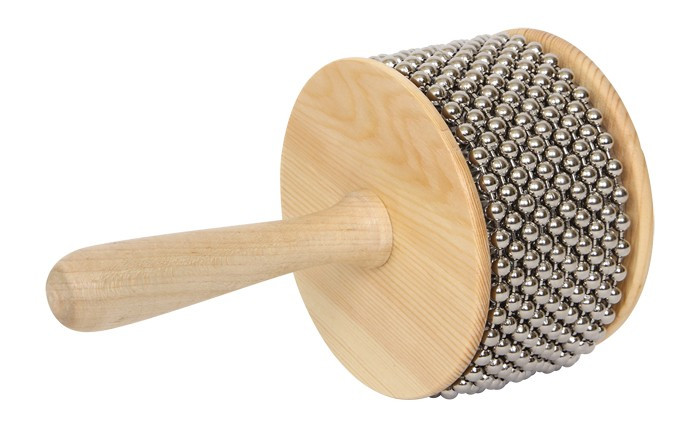 Or for clients with an overresponsive tactile sense, choose instruments that don’t have a rough or uneven texture. Then encourage them to explore tactile sensations using the texture and vibrations of various instruments. This could help reduce defensiveness to certain tactile sensations.